Lesson 1: Intro and Preliminaries
Welcome!

Let’s Pick A Section Marcher
Section Marcher Duties:
- Take roll and report attendance
- Designate a different inspector each day (find a system - rotate alphabetically?)
- Everyone will do this multiple times
Inspections:
- Polite check of uniforms - the idea is to help each other look right
- No one is getting in trouble. We’re just helping each other avoid mistakes.
- You can do the inspection before class starts
What’s Different About MA206x?
This is MA206x, not MA206. Some trepidation? Sure. Fear? None needed.
- Tintle → Devore: Simulation-first approach → classical probability foundation
- Fewer out-of-class graded events: AI is changing how we assess learning
- R in Vantage: Same language, new platform
More details later.
Introductions
Cadet Introductions
TipPlease Share
- Name
- Hometown
- Company
- Birthday
- Academic Major
- Did you come directly from high school?
- What you do in the Corps (Sport, Club, etc)
- Favorite sports team
- Possible Branch
- Why you picked your seat today
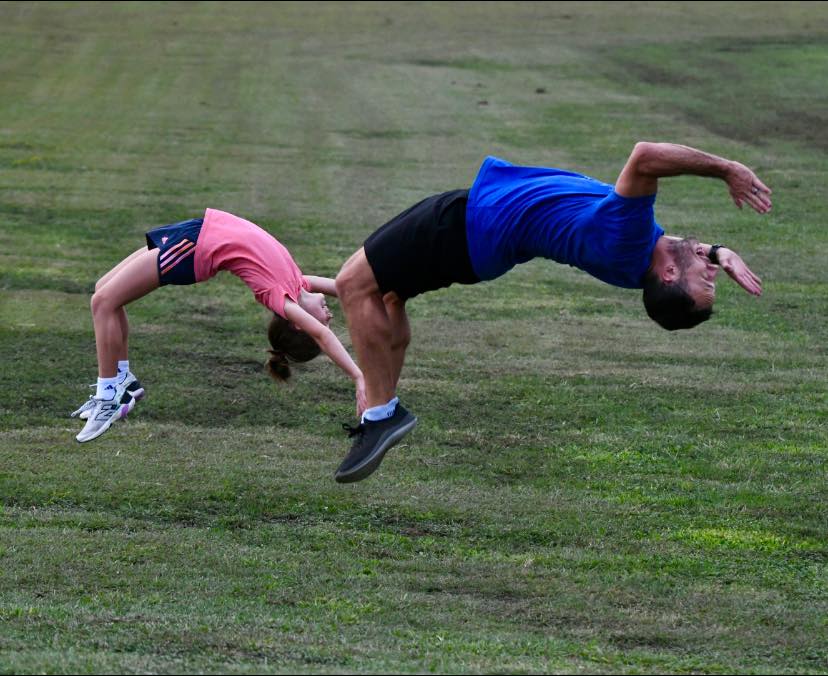
CDT Dusty Turner: Center Point, Texas
- Sprint Football
- Sandhurst
- OCF
- F4
- Dallas Cowboys, San Antonio Spurs, Texas Rangers
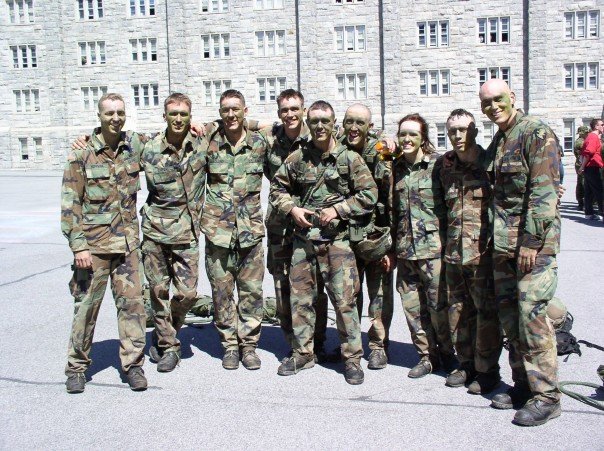
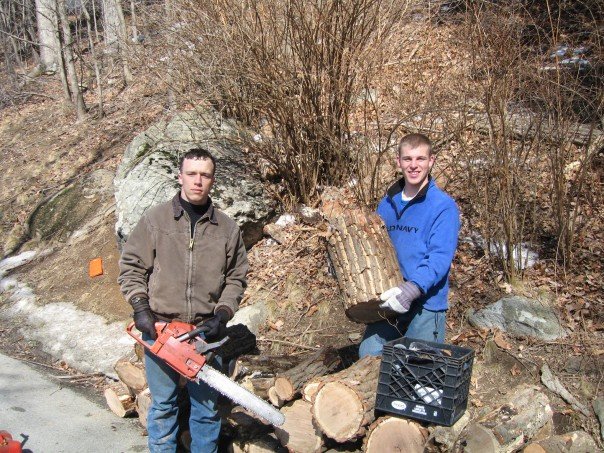
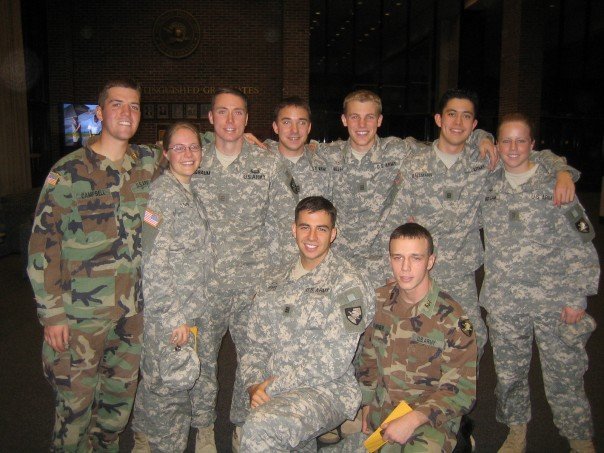
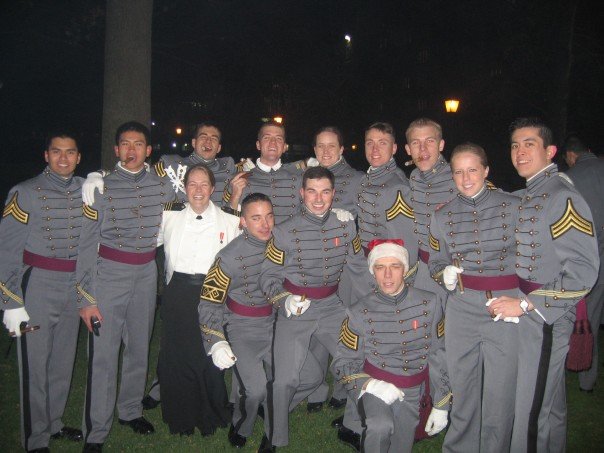
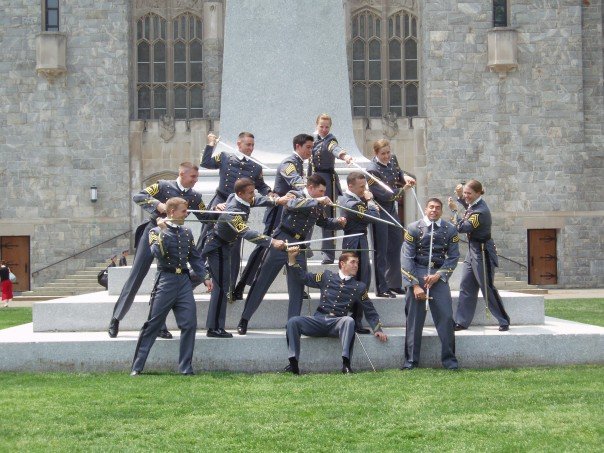
LTC Dusty Turner, PhD: Waco, Texas

NoteCareer Timeline
- 2003-2007 BS, Operations Research: United States Military Academy (USMA)
- 2007-2008 Engineer Basic Officer Course: Fort Leonard Wood, Missouri
- 2008-2011 Platoon Leader / XO / AS3: Schofield Barracks, HI / Iraq
- 2011-2012 Engineer Captain’s Career Course: Missouri S&T
- 2012 MS, Engineering Management: Missouri S&T
- 2012-2014 Company Commander: White Sands Missile Range, NM / Afghanistan
- 2014-2016 MS, Integrated Systems Engineering: The Ohio State University
- 2016-2019 Assistant Professor: United States Military Academy, West Point
- 2019-2022 ORSA / Data Scientist: Center for Army Analysis, Ft. Belvoir
- 2022-2025 PhD, Statistical Science: Baylor University (Waco, TX)
- 2025-? Academy Professor: United States Military Academy, West Point

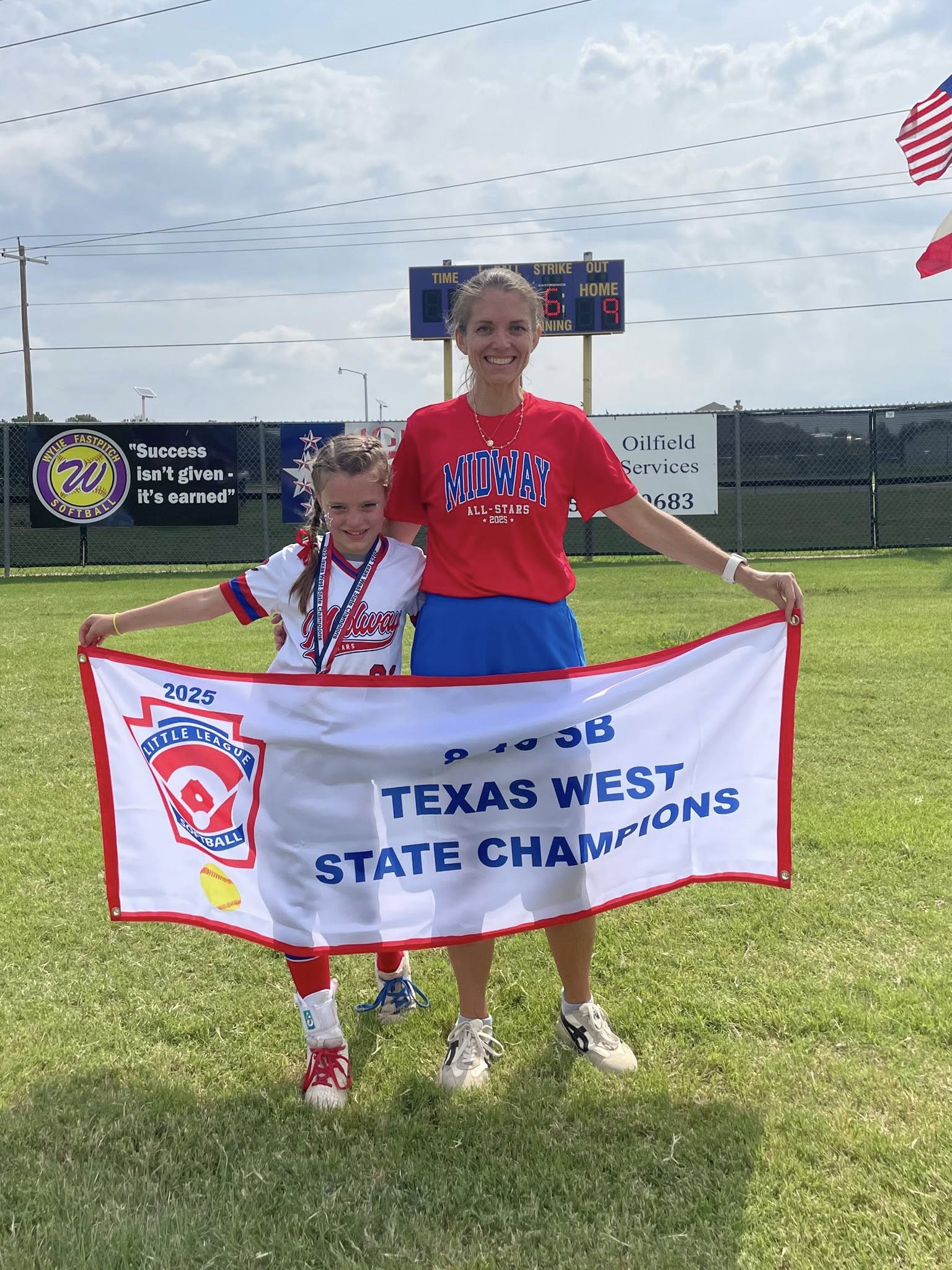
Jill: Saline, Michigan
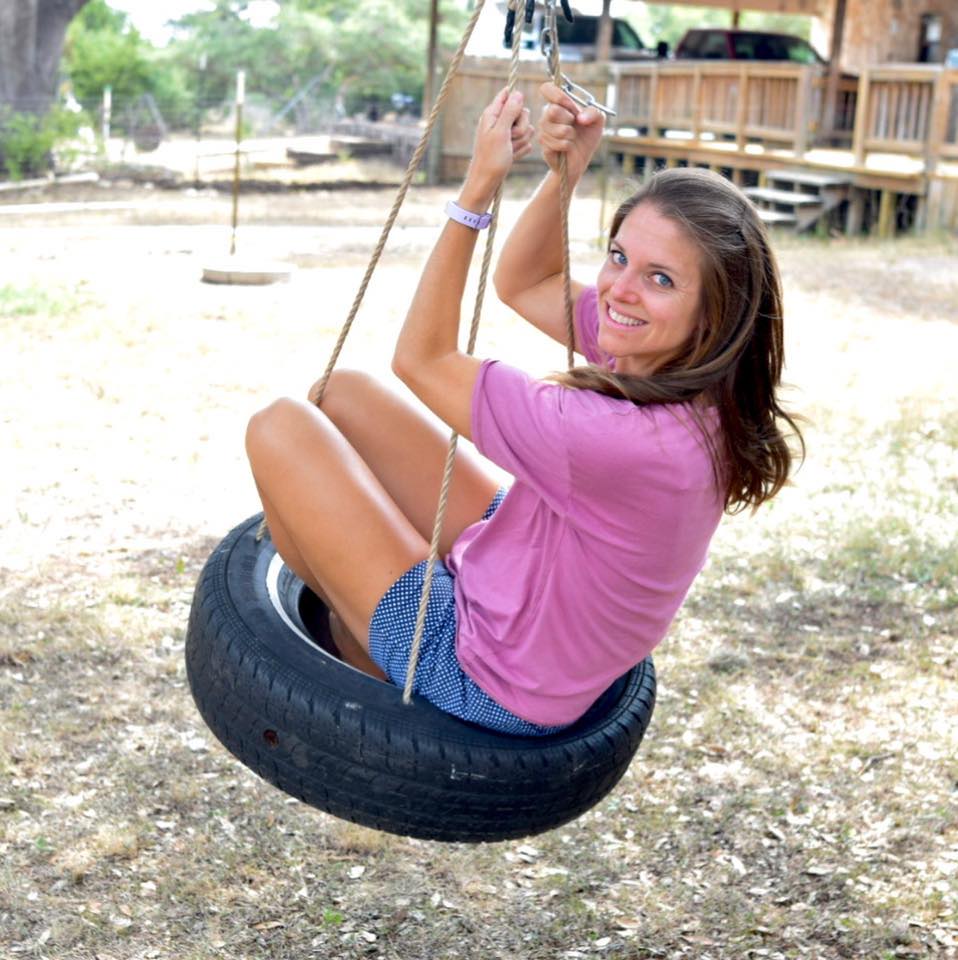

NoteCareer Timeline
- 2000–2004 BS, Economics: Michigan State University
- 2004–2010 Project Manager: Epic Systems
- 2011–2020 Consultant / Build Analyst (Epic Radiant & Cadence)
- 2011–2013 Epic Radiant Build Consultant: Intellistar Consulting
- 2014 Epic Radiant Build Analyst: Vonlay
- 2016–2017 Epic Radiant Build Analyst: Huron
- 2018–2020 Epic Cadence Build Analyst: Bluetree Network
- 2020–Present Solutions & Application Architect / Principal Analyst: Mayo Clinic


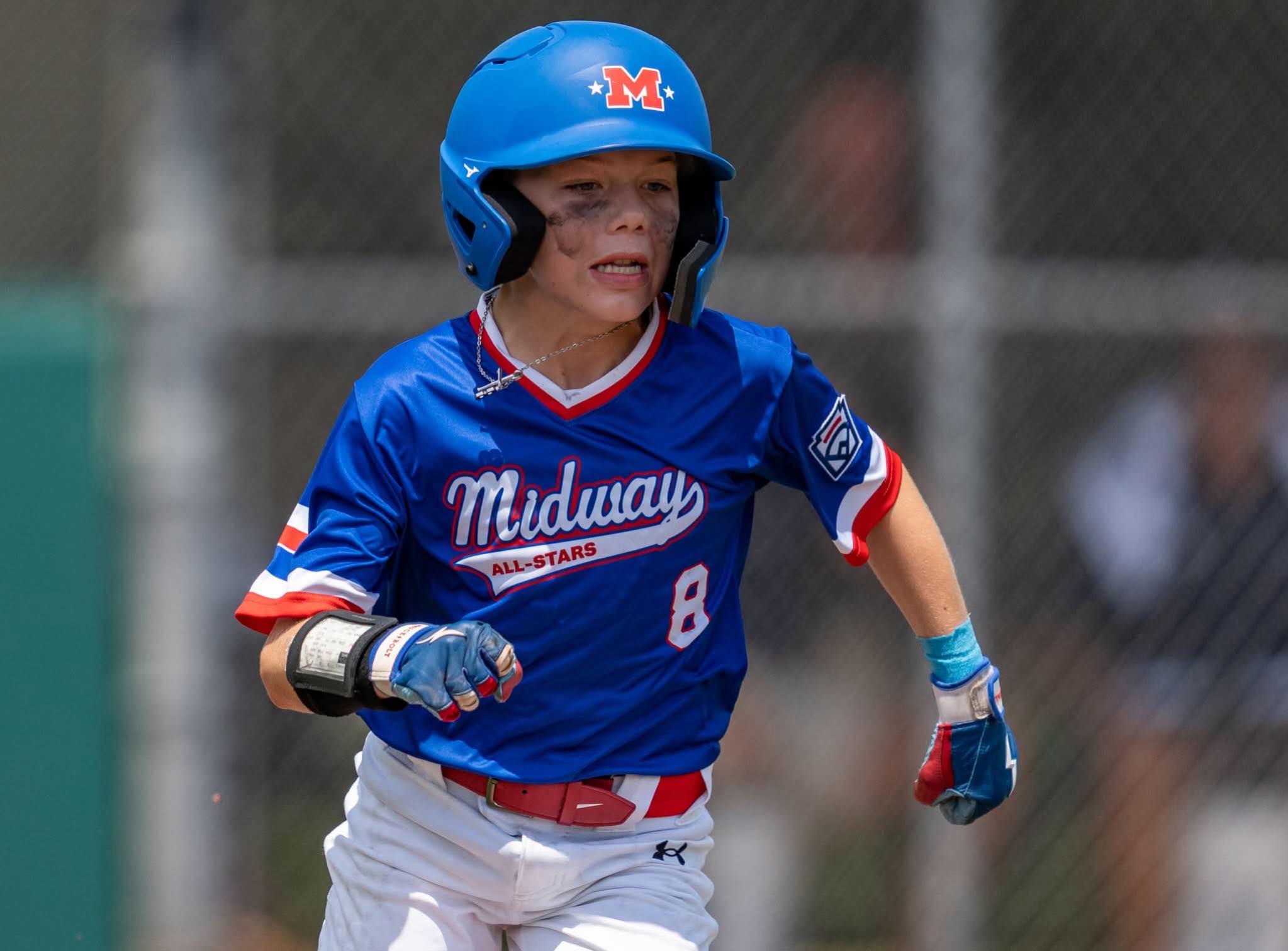
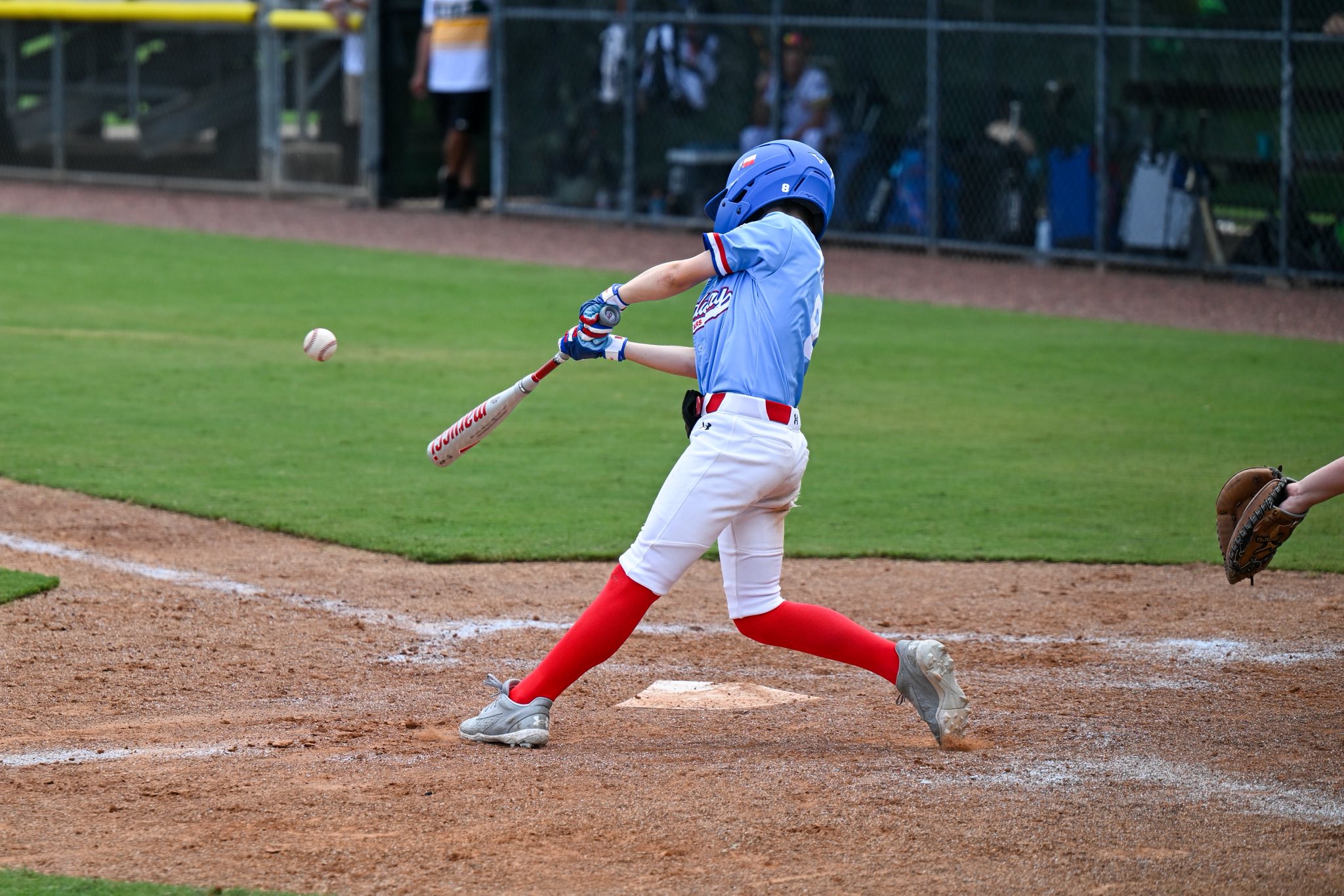
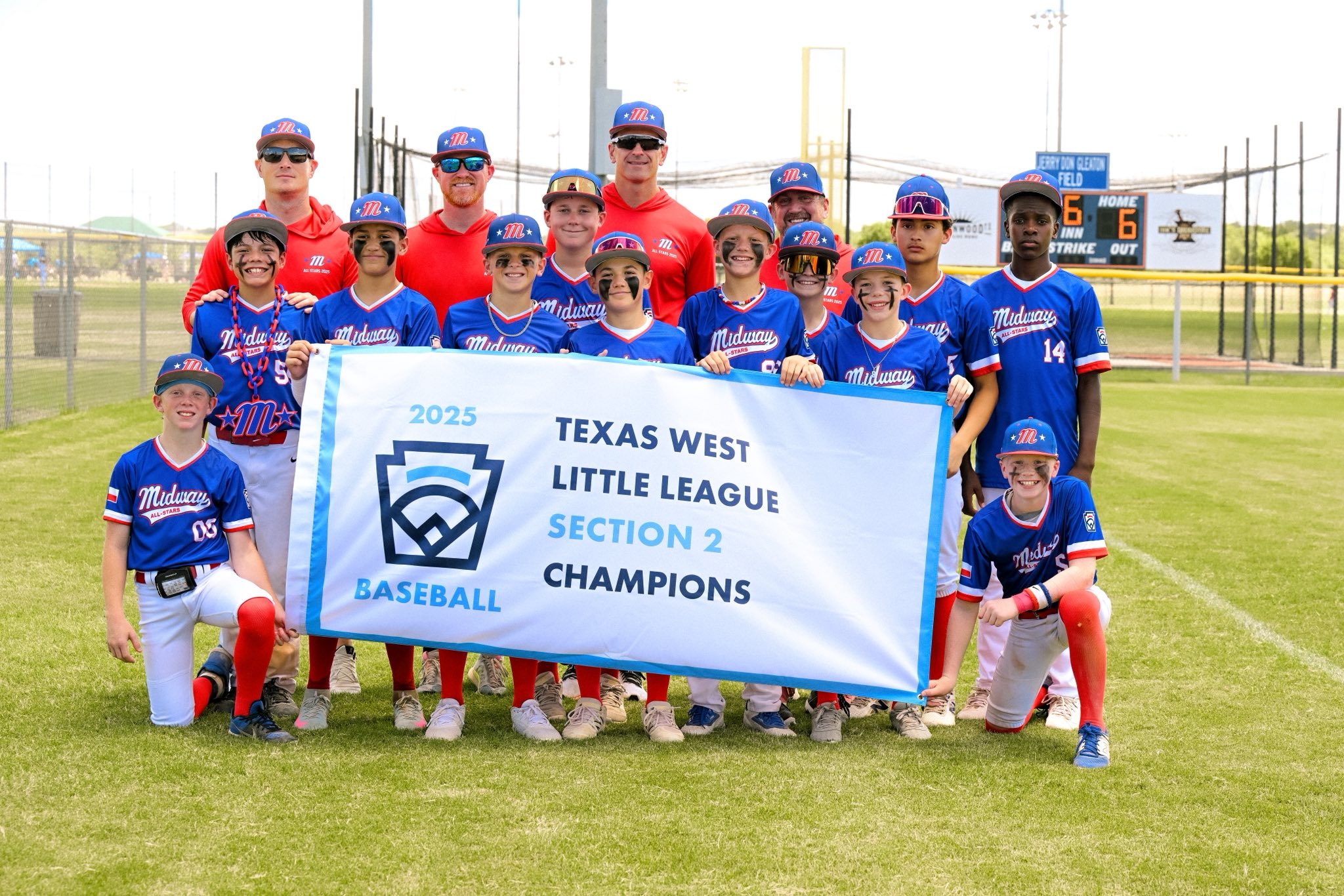
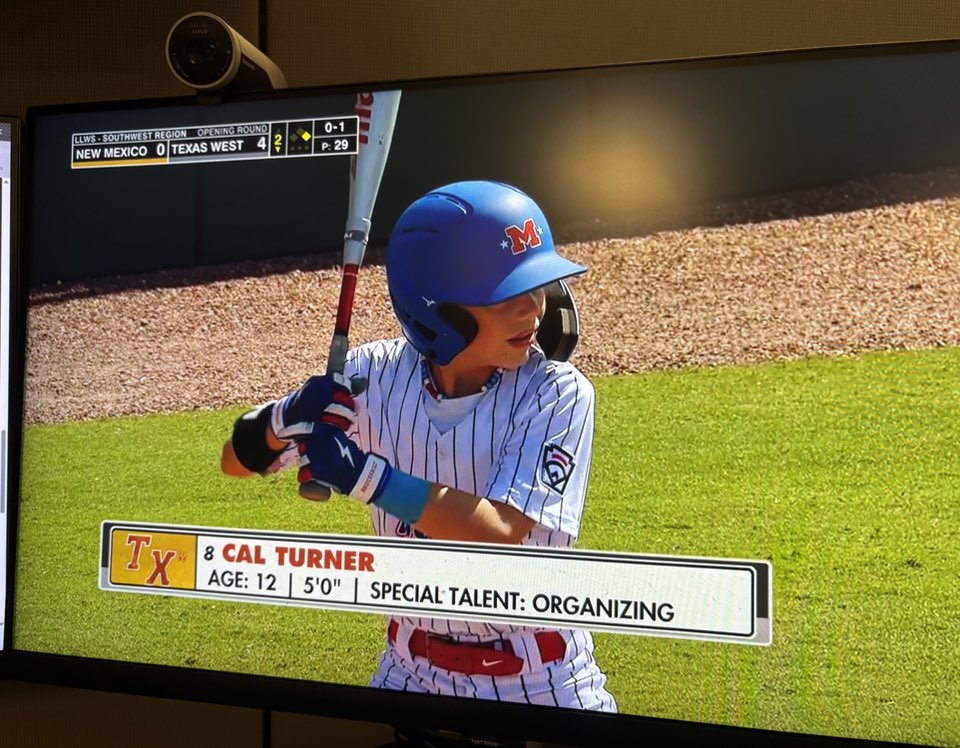
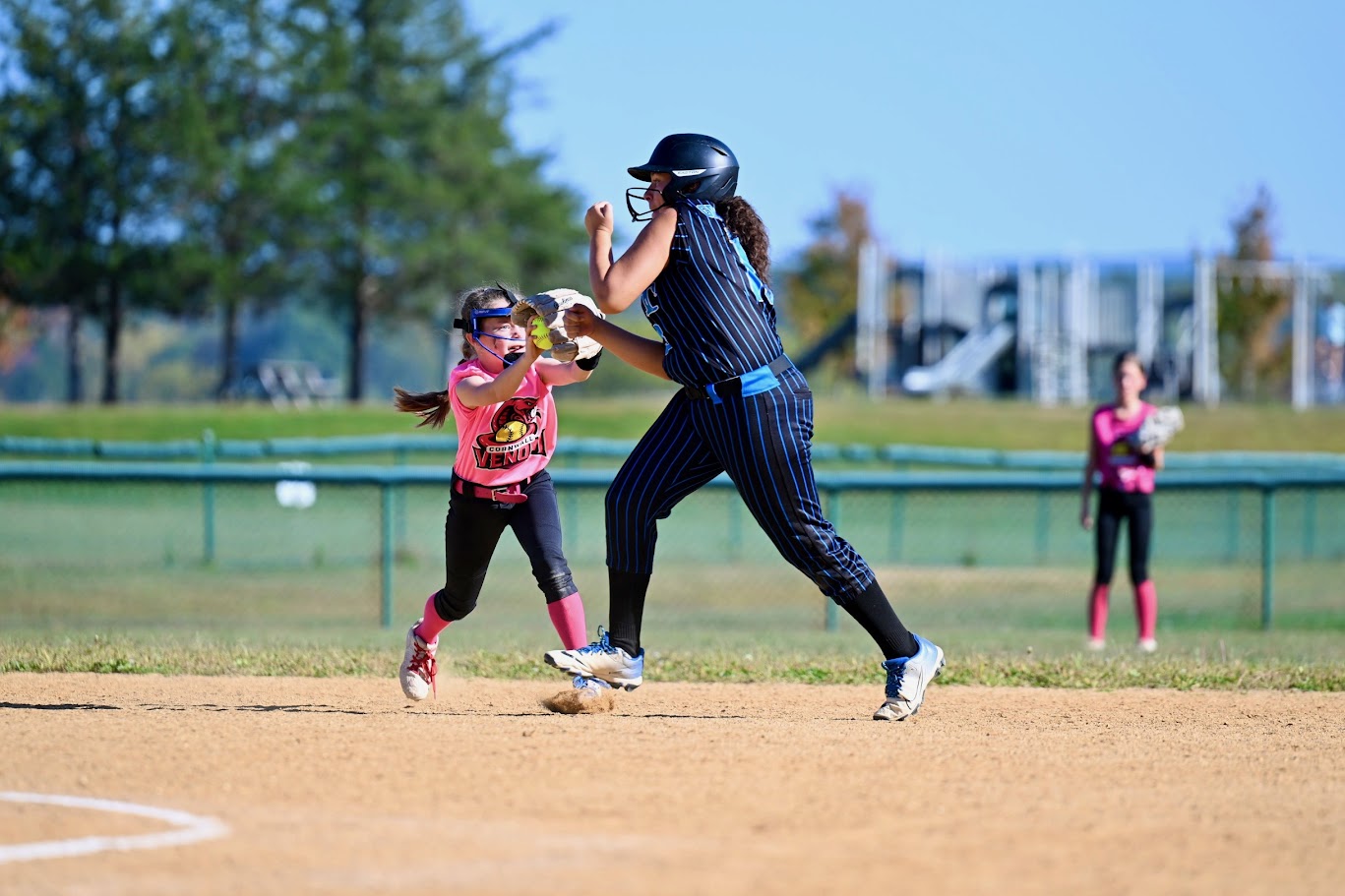
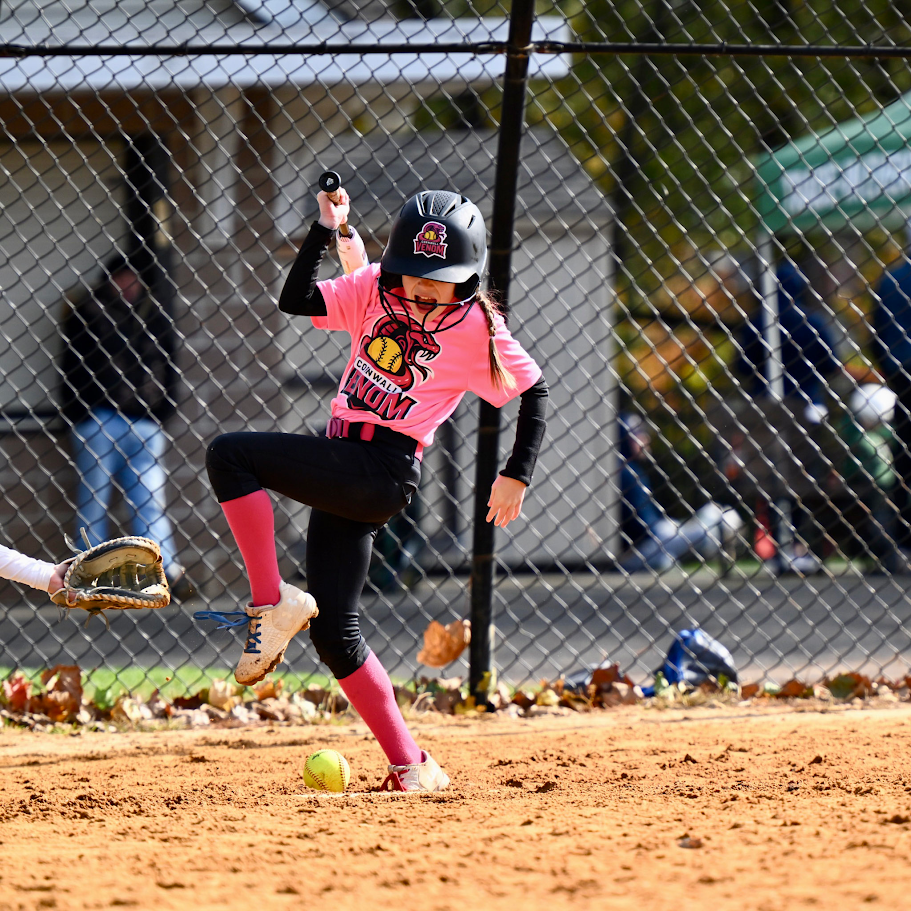
Cal: Las Cruces, New Mexico
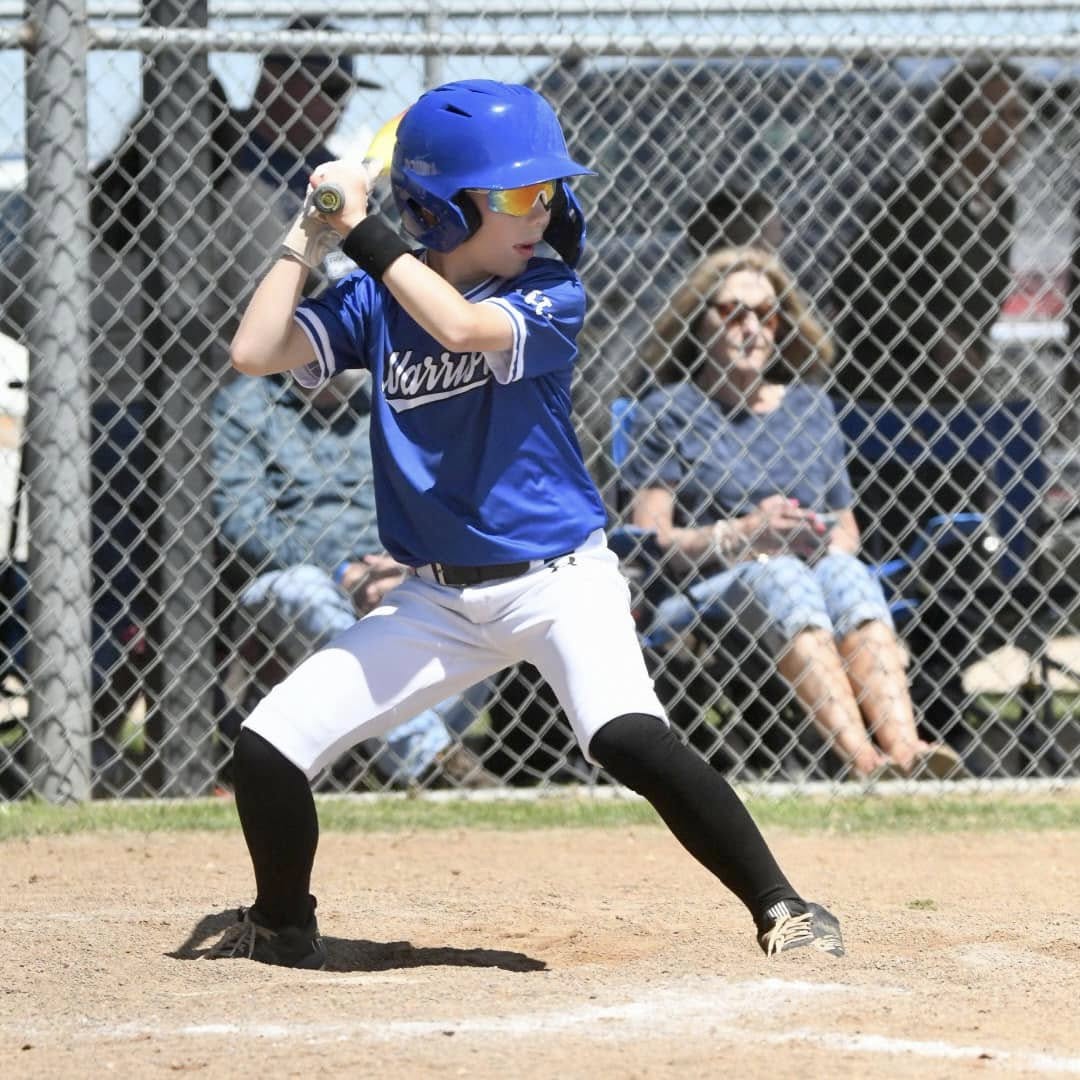
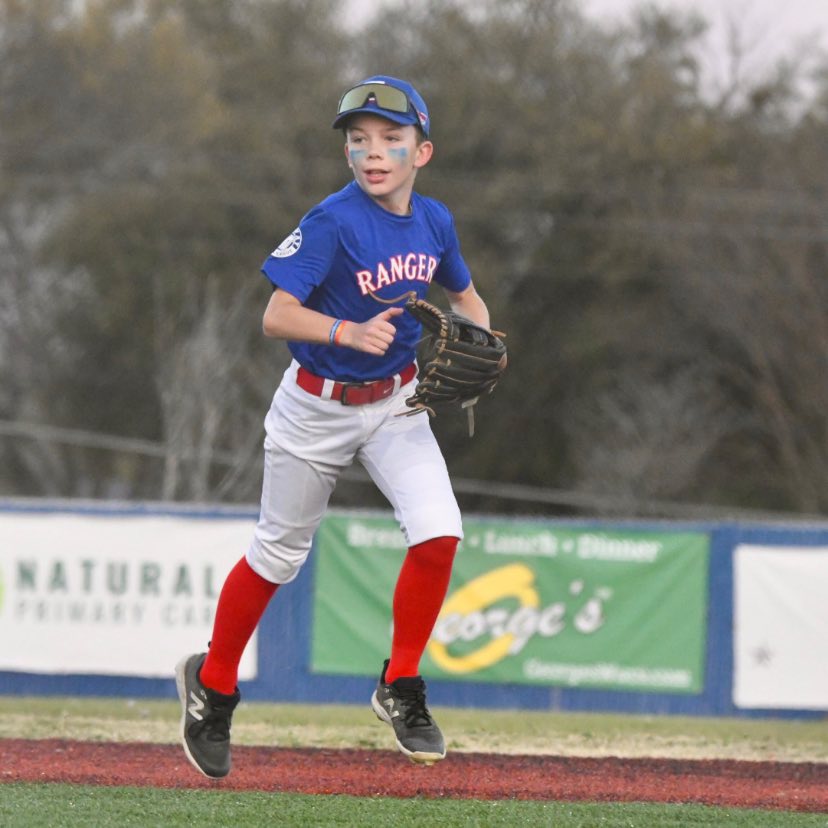
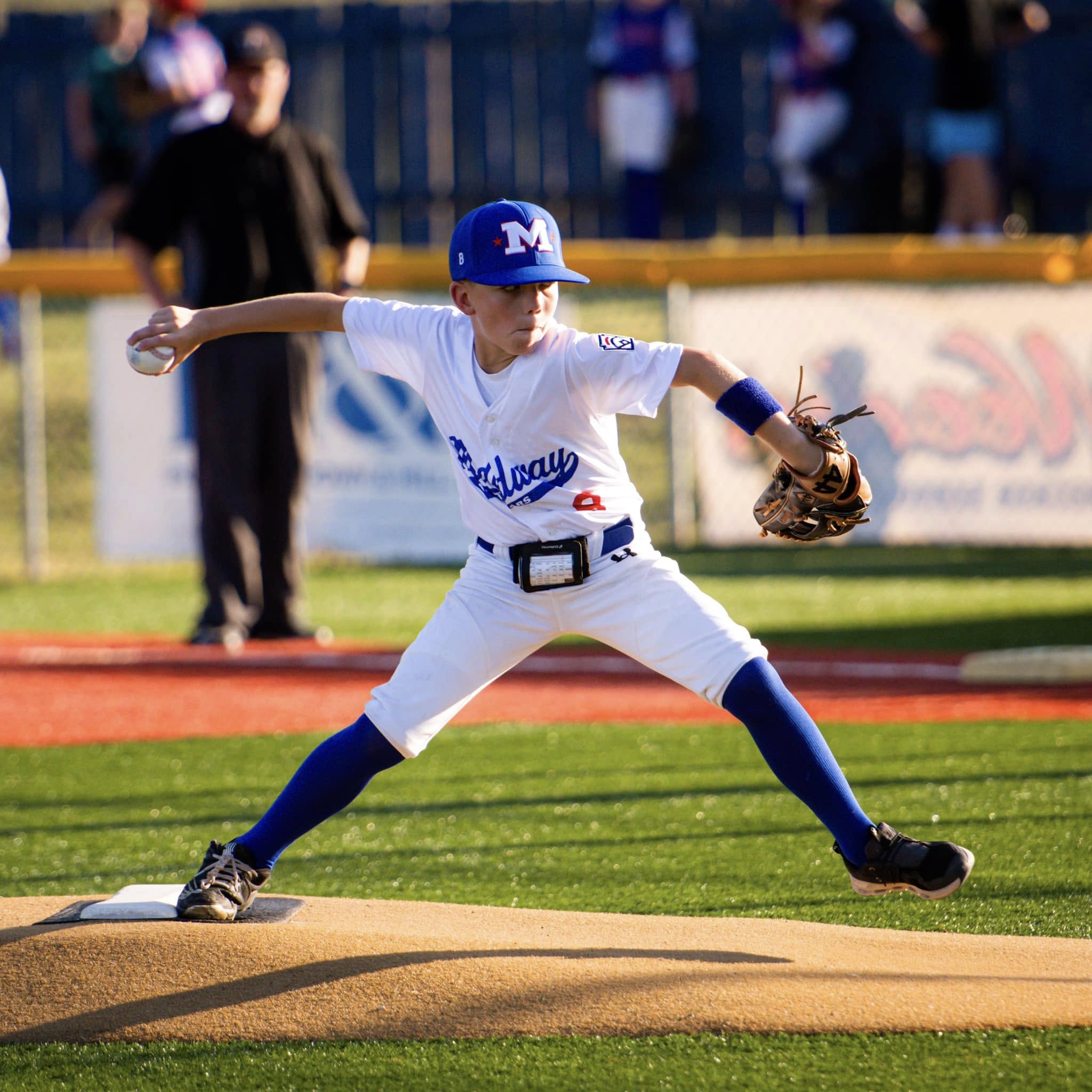
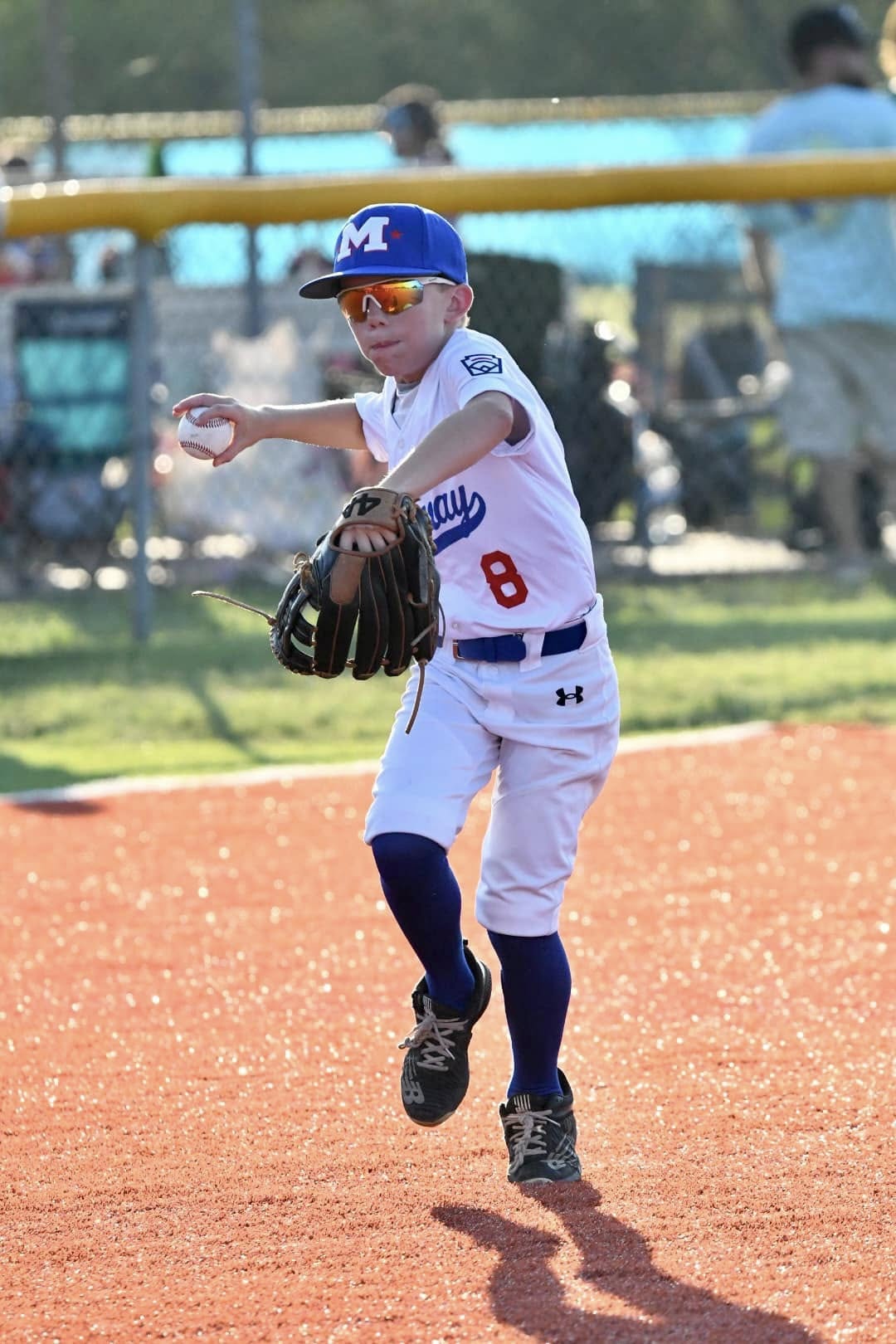

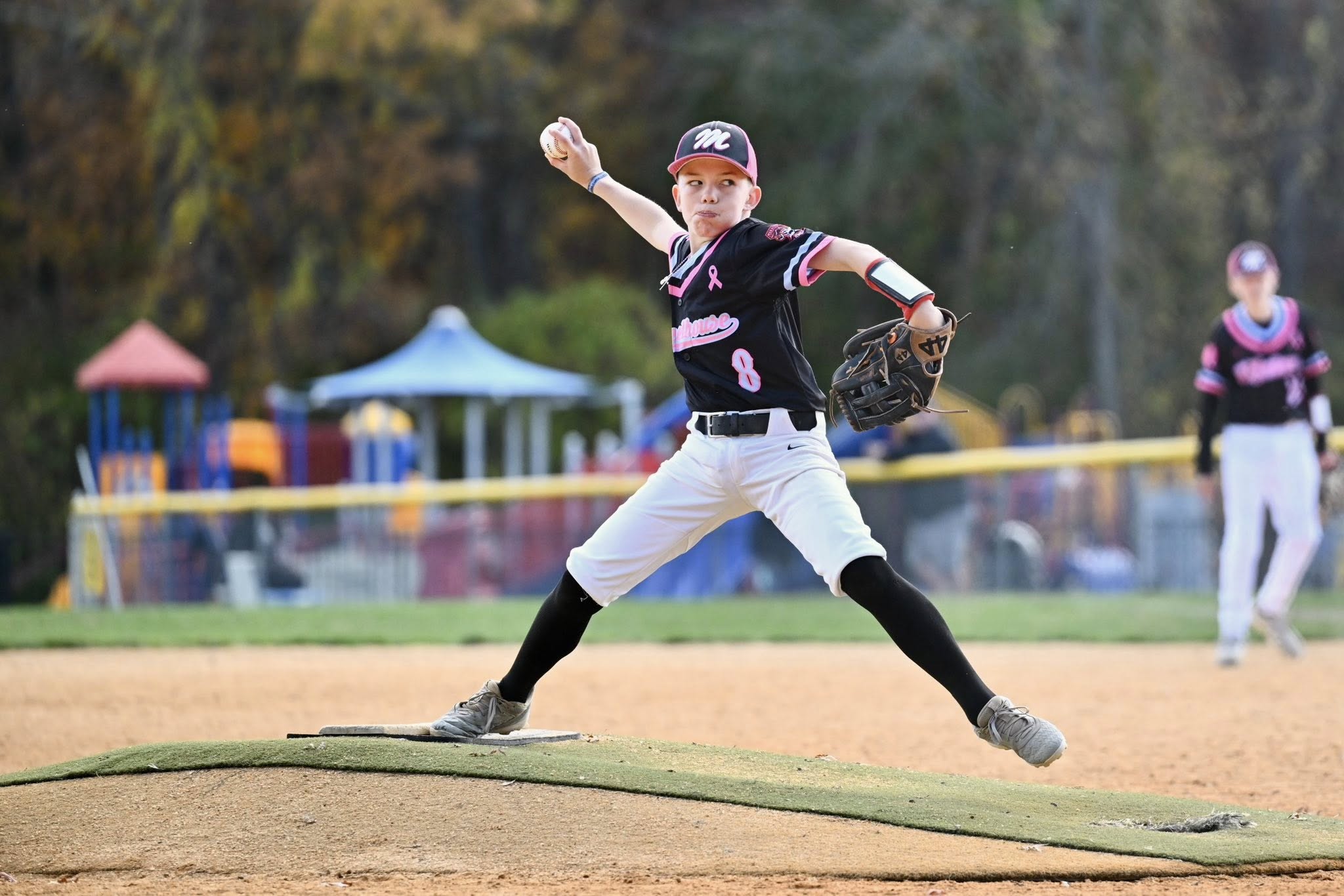
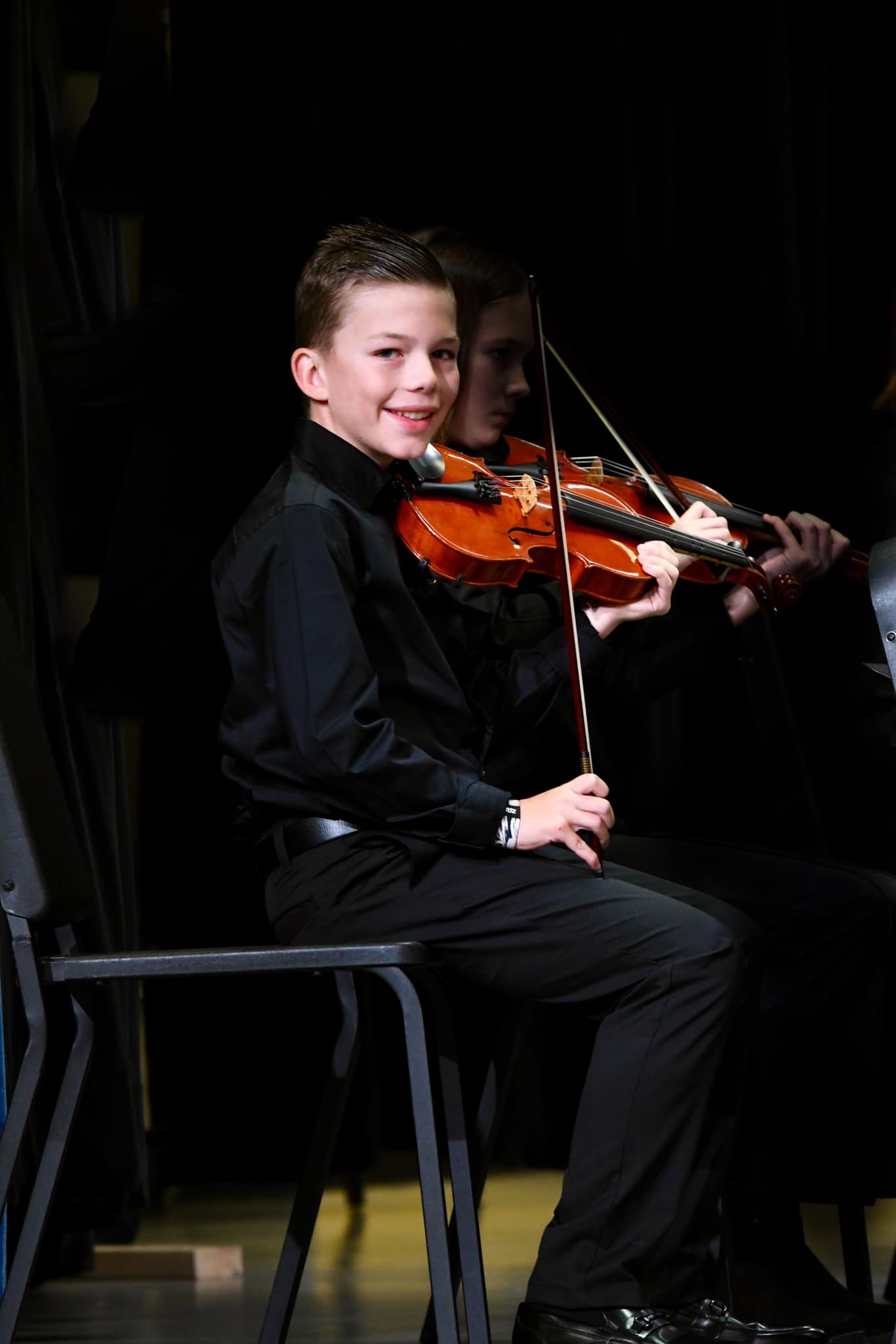
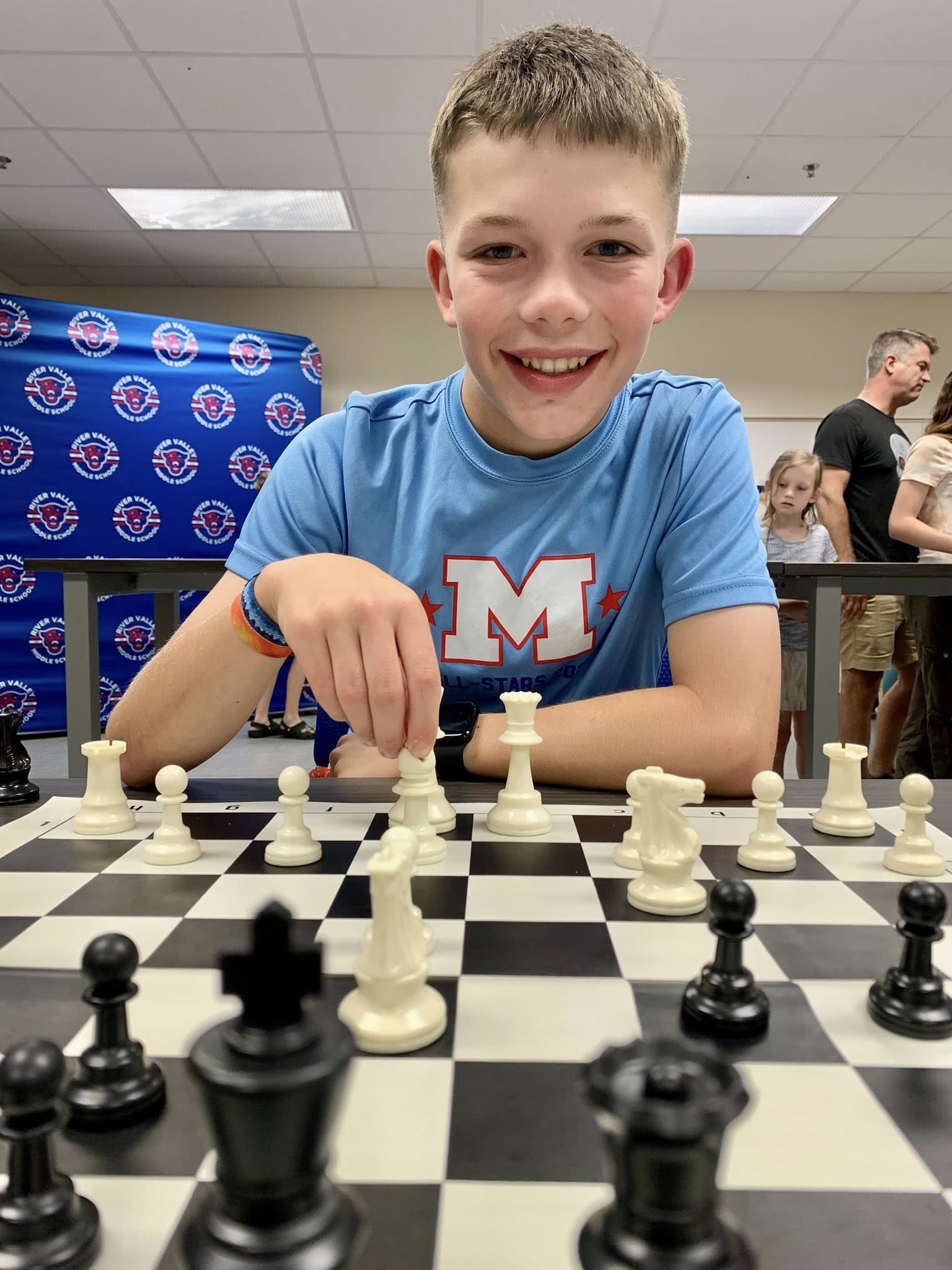
Reese: Columbus, Ohio
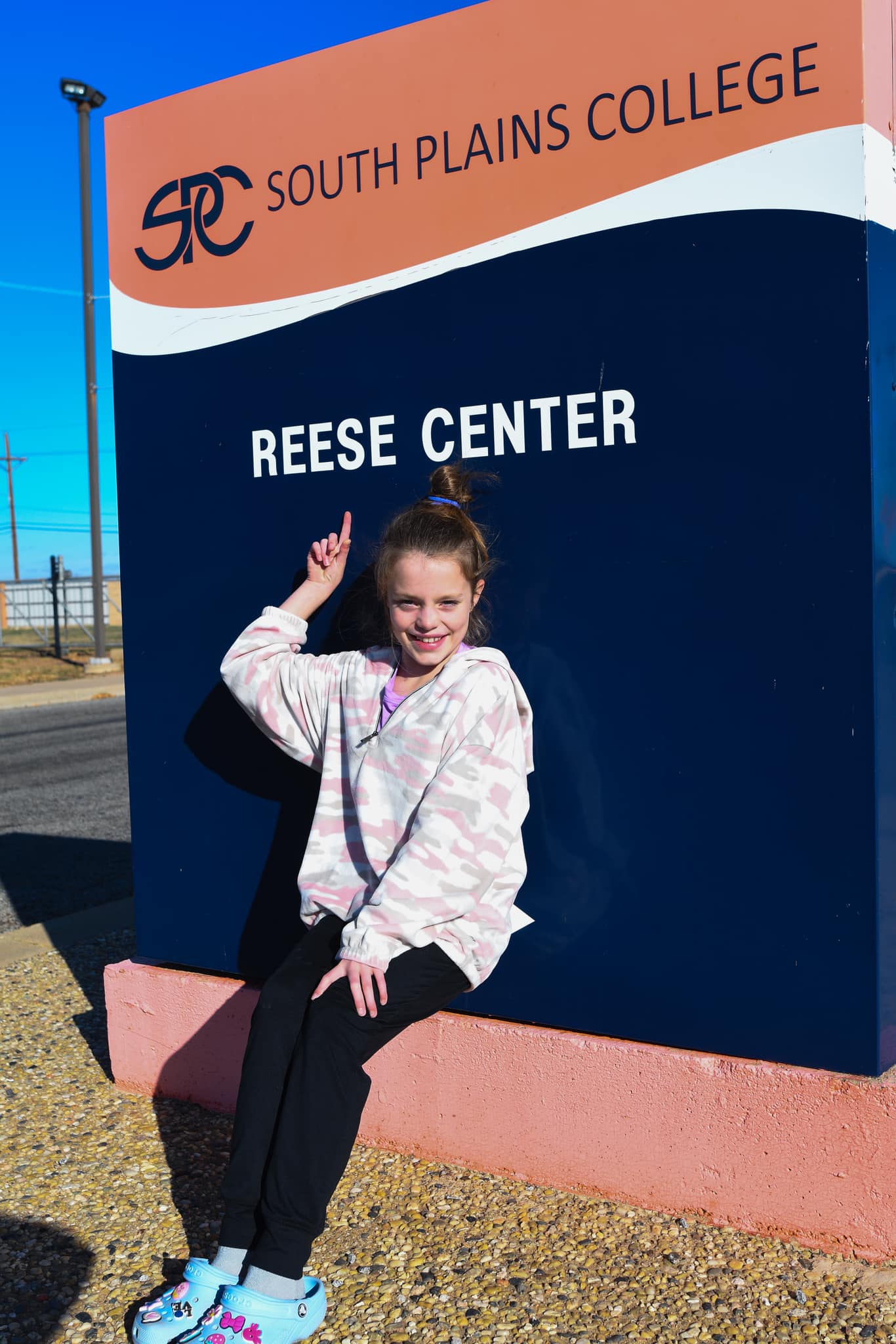
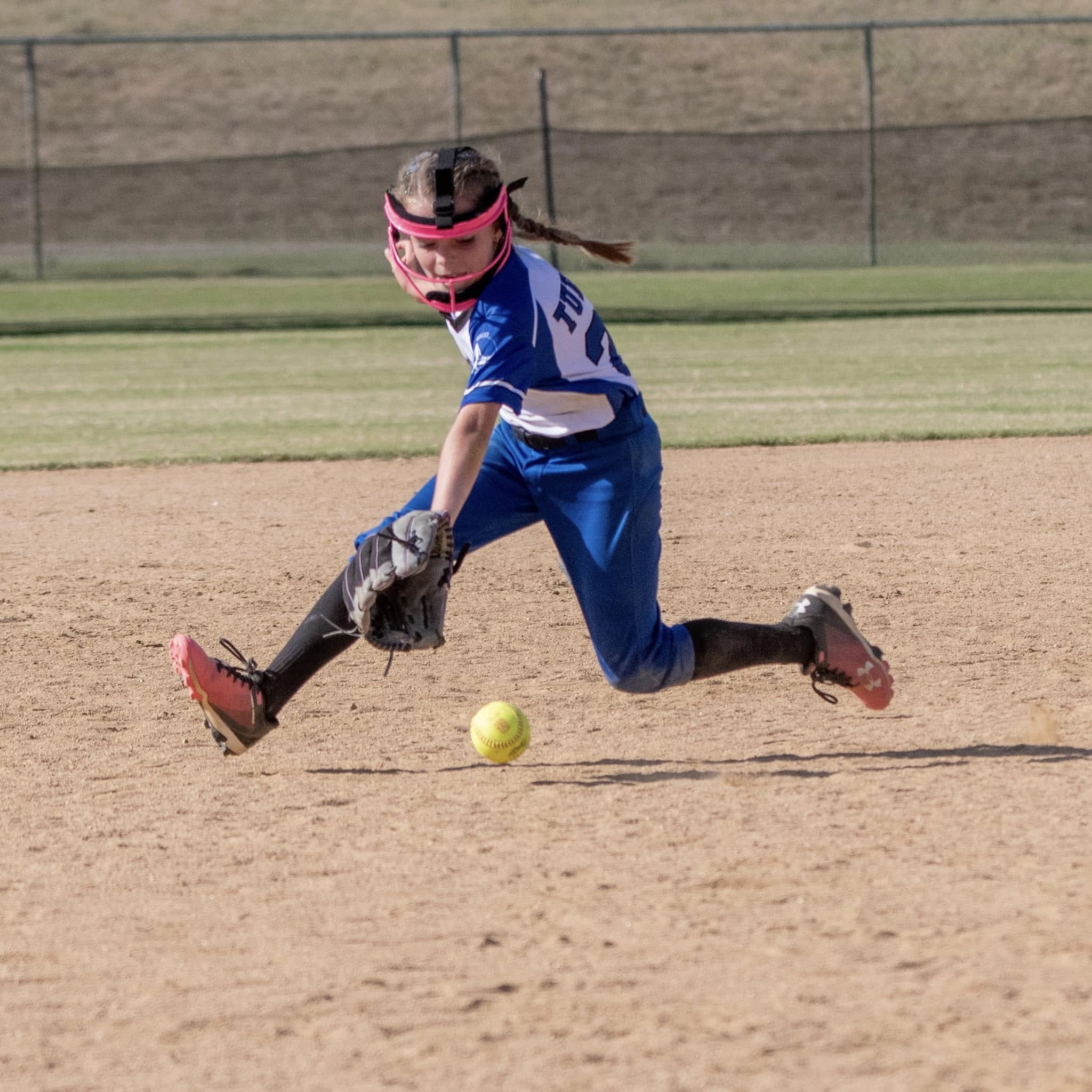
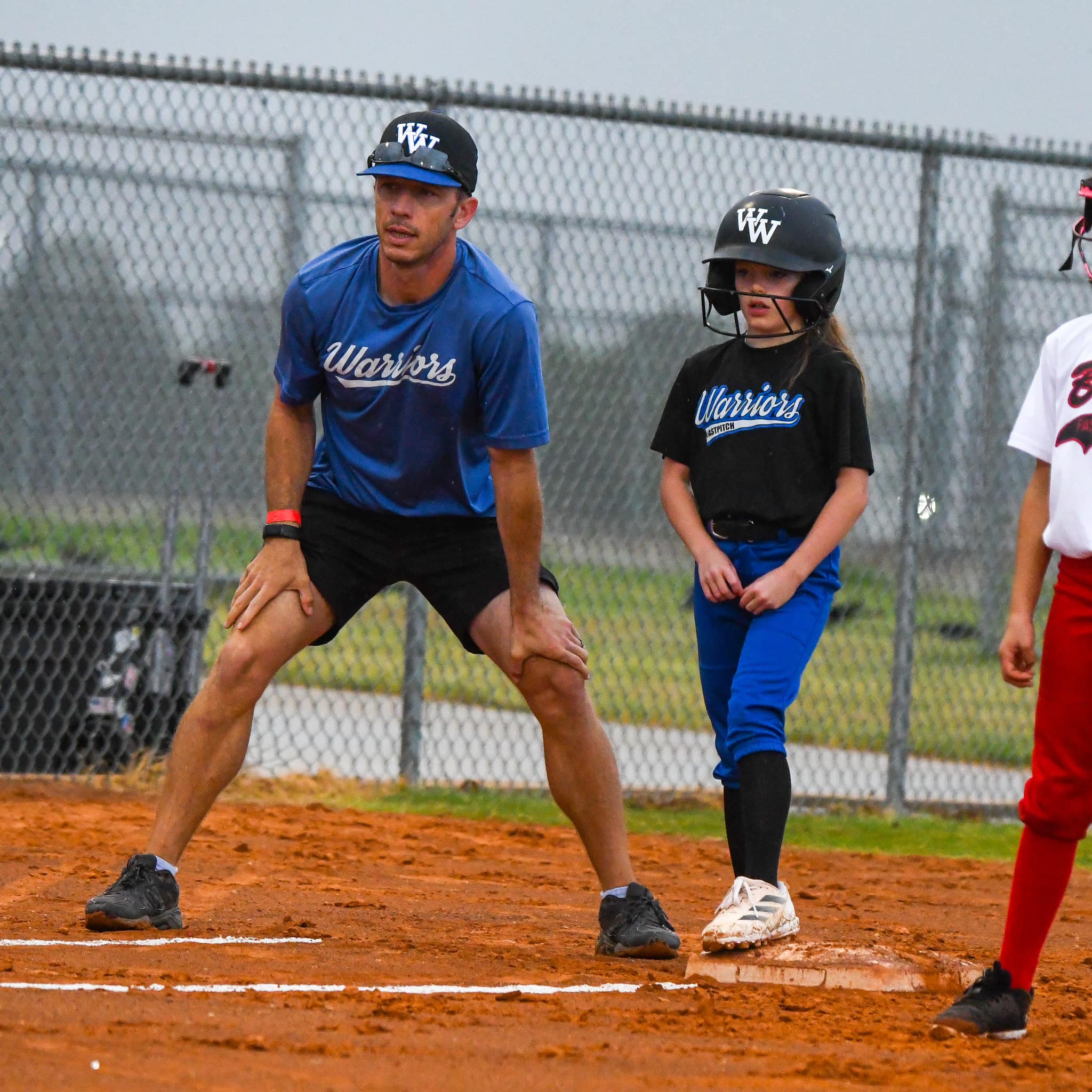

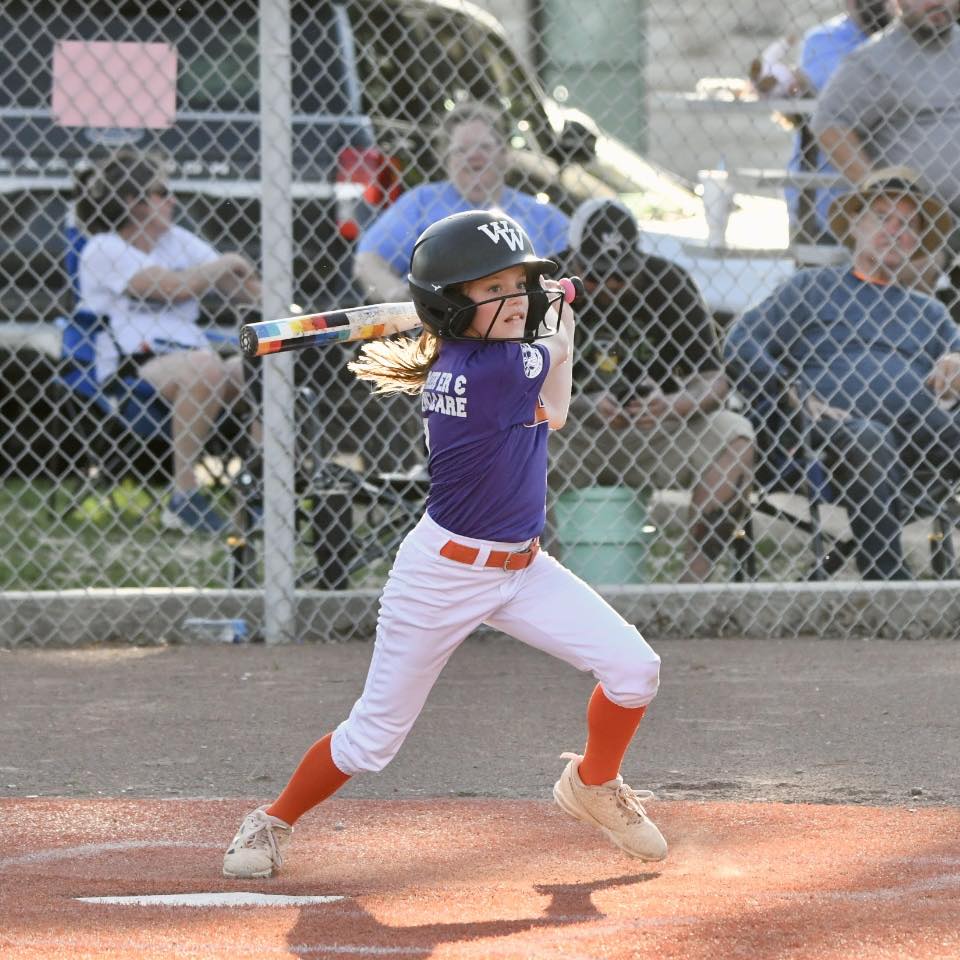
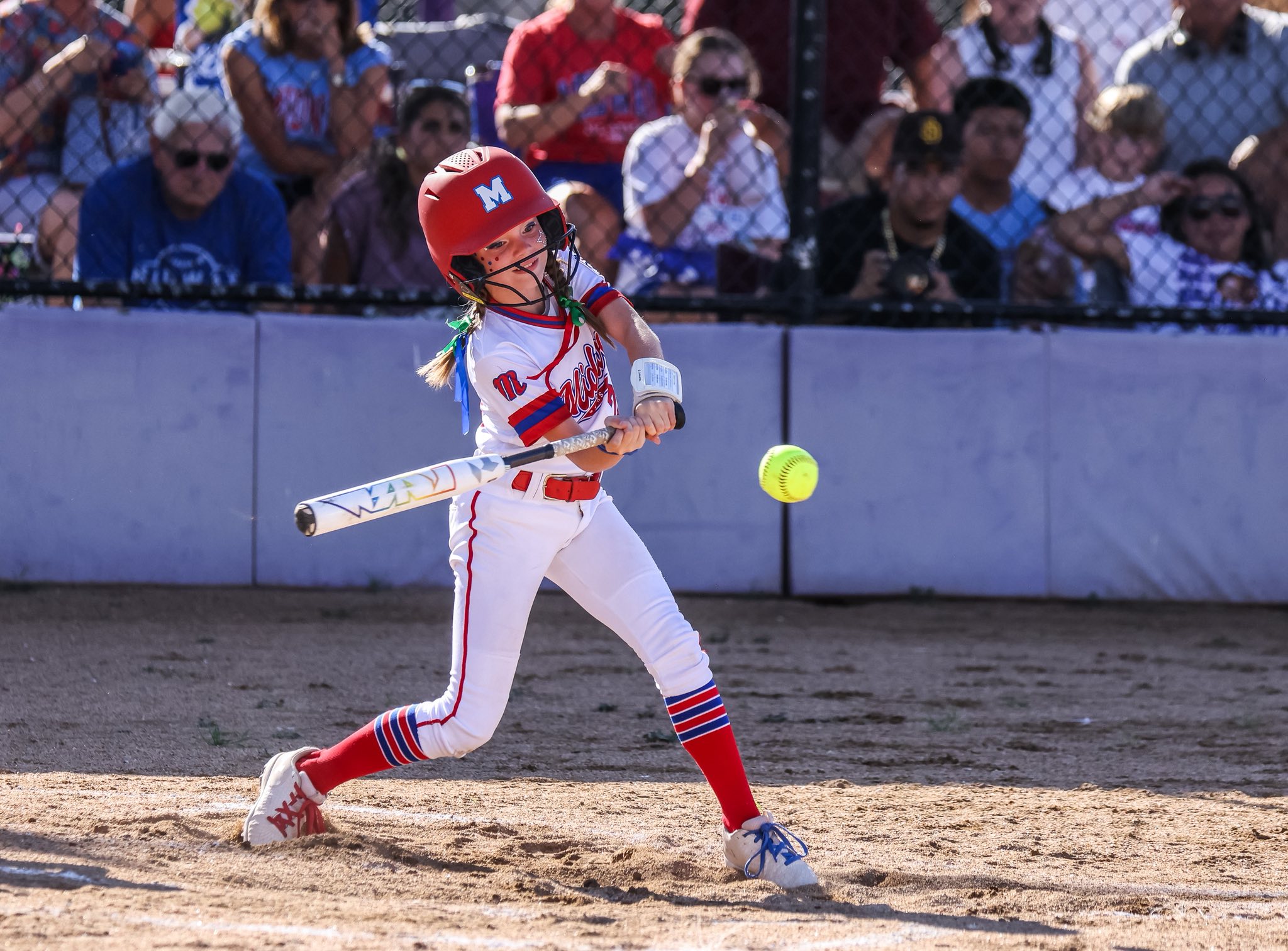
Expectations
What Are Your Expectations of MA206x?
NoteCourse Goals
- Develop a Base of Knowledge
- Leverage Technology and Army Platforms
- Communicate Concepts and Results
- Problem Solving Techniques
- Develop Habits of Mind
- Develop an Interdisciplinary Perspective
- Responsible use of AI
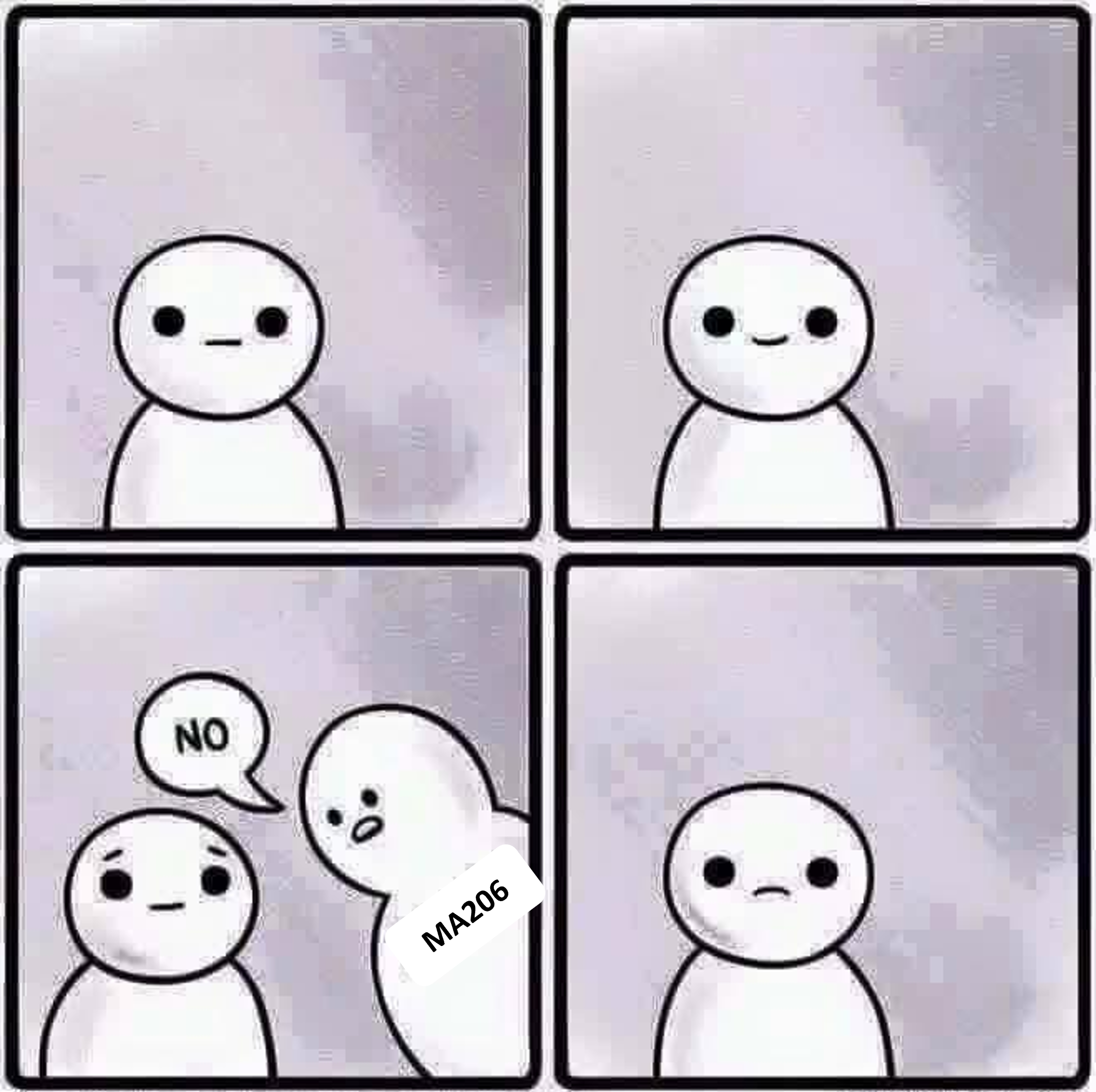
What Do You Expect of Me?
(Open discussion)
What You Can Expect from Me
NoteMy Commitments
- Arrive prepared for each lesson
- Encourage independent thinking
- Maintain professionalism and respect at all times
- Uphold the values of the Corps and our institution
- Clear guidance and expectations for assignments
- Be a professional mentor
- Make Mistakes
Expectations I Have for You
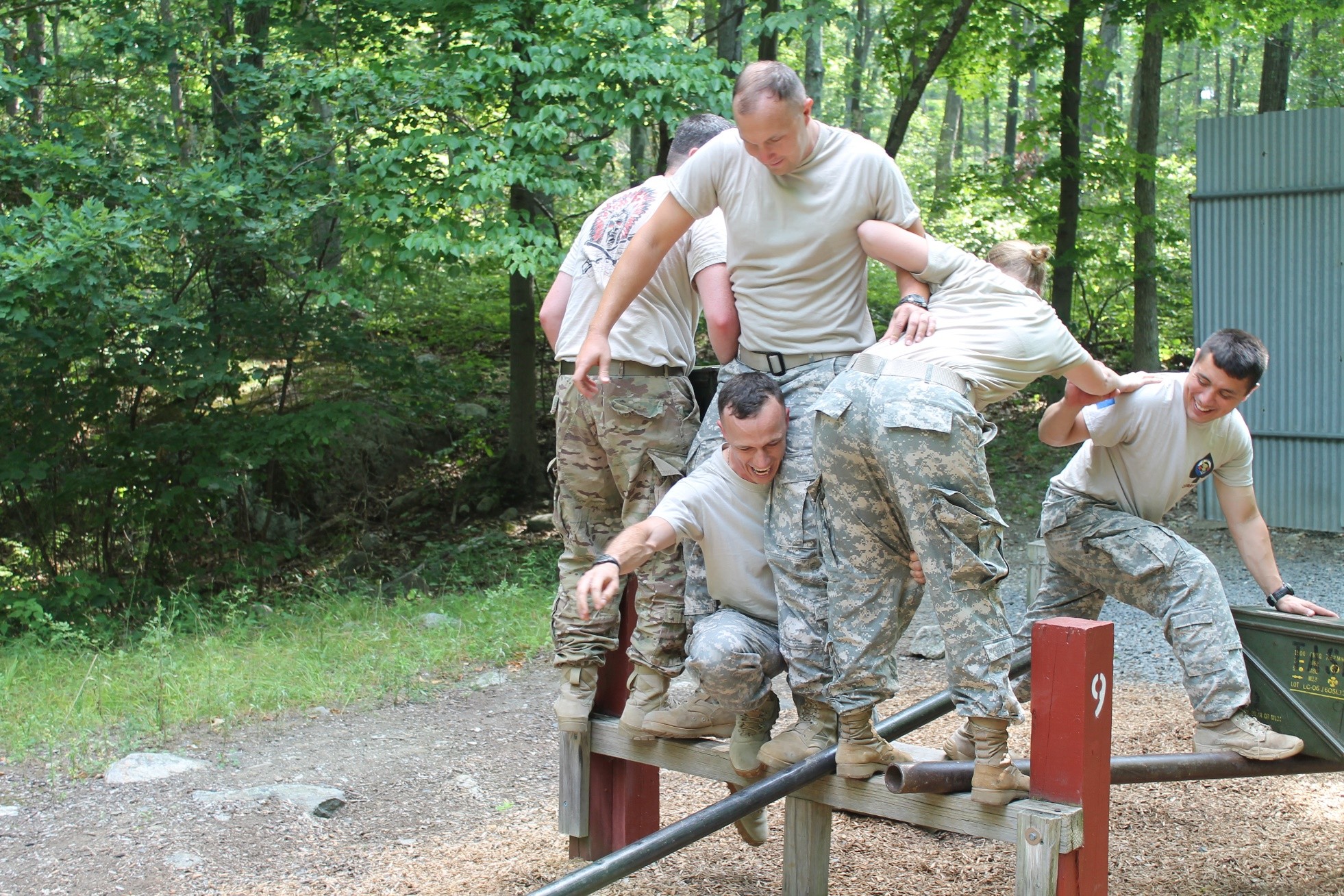
NoteYour Responsibilities
- Be responsible for your learning
- Arrive prepared for each lesson
- Engage actively in discussions and exercises
- Maintain professionalism and respect at all times
- Uphold the values of the Corps and our institution - you are junior members of this profession
- Make mistakes
Class Rules
WarningClassroom Policies
| Policy | Details |
|---|---|
| Computers | Course materials only |
| Food & Gum | Not allowed in classroom |
| Drinks | Spill-proof containers only |
| Bags & Gear | Leave in the hallway |
| Staying Alert | Stand up if you’re tired |
| Punctuality | Arrive on time; don’t pack up early |
| Leadership | Support the section marcher |
Course Overview
MA206x Story
Block 1: Foundations (WPR I)
- Descriptive Statistics - Types of data, sampling, measures of location & variability, EDA
- Probability - Basics, conditional probability, counting & independence
- Distributions - Discrete (binomial, Poisson) and continuous (normal, exponential)
Block 2: Inference (WPR II)
- Inference Foundations - Central limit theorem, confidence intervals
- Hypothesis Testing - One-sample t-test, one-proportion z-test, two-sample t-test, paired data, two-proportion z-test
Block 3: Modeling (Project & TEE)
- Regression - Simple linear regression, multiple linear regression, causality & confounding
- ANOVA
Course Support
TipResources
| Resource | Link |
|---|---|
| Canvas | MA206x Canvas |
| Cengage WebAssign | Cengage WebAssign |
| Army Vantage | Army Vantage |
| Calendar | Course Calendar |
| Textbook | Devore: Probability and Statistics for Engineering and the Sciences |
| Syllabus | Course Syllabus |
| Documentation Brief | Doc of Sources, Ack of Assistance, Cover Page |
| Academic Security Brief | Academic Security AY26-2 |
A Note on AI
- AI is welcome and encouraged on WebAssign. Screenshot the question… maybe.
- But when WPR time comes - no AI. So use it as a tool for learning, not a crutch.
- WebAssign is 15% of the course. You should get most/all those points.
- Don’t get those points at the peril of your WPR grades - that’s 60% of the course.
- WebAssign is forgiving: 5 tries per sub-question.
- Don’t forget documentation. Just tell me what you did.
Graded Assignments
| Assignment | Points |
|---|---|
| WebAssign Homework | 150 |
| WPR I | 175 |
| WPR II | 175 |
| Exploratory Data Analysis | 25 |
| Tech Report | 125 |
| Project Presentation | 50 |
| TEE | 300 |
| Total | 1000 |
Today’s Lesson
The Big Picture
Why do we collect data? Because we want to learn about something bigger than what we can directly observe.
- Population: The entire group we want to learn about
- Sample: The subset we actually observe
- Process: An ongoing mechanism that generates data over time
The whole course builds on this: we use samples to make claims about populations. That’s inference.
Parameters vs Statistics
| Population | Sample | |
|---|---|---|
| What we have | Usually unknown | Observable data |
| Notation | Greek letters (\(\mu\), \(\sigma\), \(p\)) | Latin letters (\(\bar{x}\), \(s\), \(\hat{p}\)) |
A statistic estimates a parameter. This is the foundation of Blocks 2 and 3.
Types of Variables
- Categorical: Labels or categories (e.g., branch, major, yes/no)
- Quantitative: Numbers with meaningful arithmetic (e.g., height, GPA, time)
Why does this matter? The type of variable determines:
- How you summarize it (proportions vs means)
- How you visualize it (bar charts vs histograms)
- Which inference method you use (z-test for proportions vs t-test for means)
Before You Leave
Today
- Population vs Sample vs Process
- Parameters vs Statistics
- Categorical vs Quantitative variables
Any questions?
Next Lesson
Lesson 2: Sampling & Study Design
- Observational studies vs designed experiments
- Common sampling methods and biases
- Why randomization matters
Upcoming Graded Events
- WebAssign 1.2 - Due before Lesson 2
- Exploratory Data Analysis - Due Lesson 9
- WPR I - Lesson 16