Lesson 36: Project Peer Review
Early Admin
ImportantProject Presentation – 5 May (Lesson 38)
Your project presentation is Tuesday, 5 May 2026 (Lesson 38).
Required: invite one non-cadet – a TAC, coach, mentor, or other faculty member – to your presentation. Tell them the project title, the classroom, the date/time, and what you’ll be presenting.
Email rule: BCC me on the invite – do not CC me. Use dusty.turner@westpoint.edu in the BCC line.
Suggested invite template (fill in the bracketed fields):
To:    [guest name and email]
BCC:   dusty.turner@westpoint.edu
Subj:  Invitation -- MA206X Project Presentation: Brigade Lethality Analysis ([your unit]) -- 5 May 2026

Sir / Ma'am,

I'd like to invite you to my MA206X (Probability & Statistics) final project presentation. My partner CDT [Partner Last Name] and I analyzed real Army Vantage data from [your assigned brigade] to inform brigade-level readiness decisions. Our presentation, "[your title -- e.g., 'Drivers of AFT Performance in 2nd BCT, 10th MTN DIV']," covers the brigade readiness question we set out to answer; one-sample, two-sample, and multiple-regression analyses on individual Soldier records (AFT, M4, demographics, body composition); and recommendations a brigade commander could act on.

Event details:

When:   Tuesday, 5 May 2026, [class hour, e.g., A hour, 0740--0835]
Where:  Thayer Hall, Room TH339
Format: Walk-around / poster style. Every team posts their slides and figures on the classroom walls; you can stop at any team's display, look at the analysis, and ask questions. My partner and I will be standing by ours -- come whenever works, stay as long or short as you'd like. Drop in for 5 minutes or stay the whole hour.

Please let me know if you can attend -- I'd value your feedback on both the analysis and the brief.

Very respectfully,
CDT [Last Name], USCC
[Company / Regiment]
[Your USMA email]
ImportantTEE Schedule
| Section | 12 May 0730–1100 |
13 May 0730–1100 |
15 May 1300–1630 |
|---|---|---|---|
| A2 | 2 | 0 | 15 |
| B2 | 1 | 0 | 17 |
| C2 | 3 | 1 | 12 |
NoteA2
12 May, 0730–1100
- EDDY, ELLIOT G
- HARDER, ETHAN W
- JENKINS, KEIRA M
- KALIDINDI, HEERA S
- NEWTON, SEAN J
13 May, 0730–1100
- PHELPS, JOHN M
15 May, 1300–1630
- AIRD, ZANDER A
- ASHLEY, CAIDEN E
- BOOZER, CURTIS M
- CARTER, ISAAC M
- DWYER, LUKE P
- GARMON, MICHAEL H
- HOLTMAN, ETHAN M
- KELLY, BRENDAN R
- MCFARREN, SYDNEY L
- MCGREGOR, AUSTYN J
- MERIDETH, JUDSON W
- O’CONNOR, OWEN W
NoteB2
12 May, 0730–1100
- FEDALIZO, BALTAZAR C
13 May, 0730–1100
- WEGNER, DYLAN D
15 May, 1300–1630
- BARTOSH, BRIGHAM A
- CHEN, JUSTIN R
- CUETO, NICHOLAS C
- DIOP, KHADIJA
- GRIFFIN, CAMERON J
- HEKIMIAN, MARY RAY M
- ISONIEMI, JONATHAN A
- JEFFREY, ALEXANDER M
- KIM, DOYEE
- LEDFORD, PEYTON R
- LEE, CALEB S
- MAESTAS, NATHAN J
- MULHOLLAND, THOMAS P
- NEWMAN, NICHOLAS P
- RIBAS, HELEN A
- ROSS, JAMES C
NoteC2
12 May, 0730–1100
- CALABRESE, BENJAMIN C
- HONG, RAYMOND
- KWAK, TREVOR J
13 May, 0730–1100
- GRAY, WILLIAM C
15 May, 1300–1630
- BANZUELA, JOSHUA M
- BRADLEY, GAVIN M
- BRAEGER, SYDNEY M
- CASTINO, RYLEN J
- CATALDO, JUSTIN J
- DIAL, NADIA J
- HARTLEY, JETT M
- LINEBERGER, JAYDEN D
- PAYNE, BRENNA N
- POULTER, ZANE C
- PRATT, NATHAN C
- PROKOP, ANYA A
What We Did: Lesson 35
NoteLesson 35: ANOVA I
- Pairwise \(t\)-tests inflate the family-wise false-positive rate (1 - 0.95^6 ≈ 26.5% for 4 groups)
- ANOVA asks one question – “do any group means differ?” – with a single test at level \(\alpha\)
- \(H_0: \mu_1 = \mu_2 = \cdots = \mu_k\) vs. \(H_a:\) at least one differs
- \(F = MSR / MSE\) on \((k-1,\ N-k)\) df; reject when \(F\) is large
- R:
aov(y ~ group, data = df)thensummary()
What We’re Doing: Lesson 36
Objectives
- Bring your 85% Tech Report with 3 printed copies
- Give and receive structured peer feedback from 3 classmates
- Walk out with a concrete revision list before final submission
Required Reading
No new reading – bring your draft and a pen.
Break!
The Kids
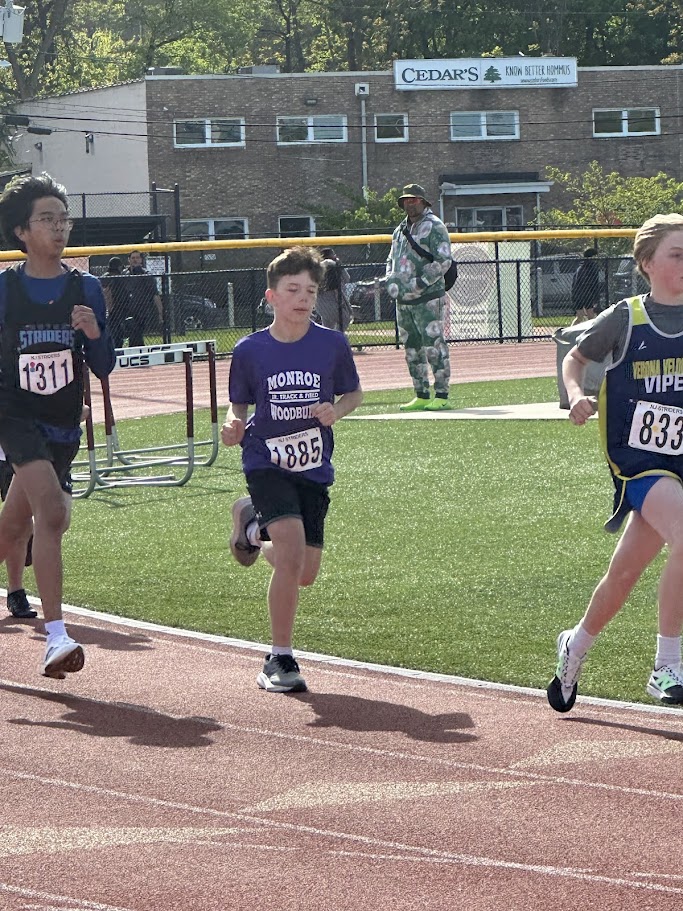
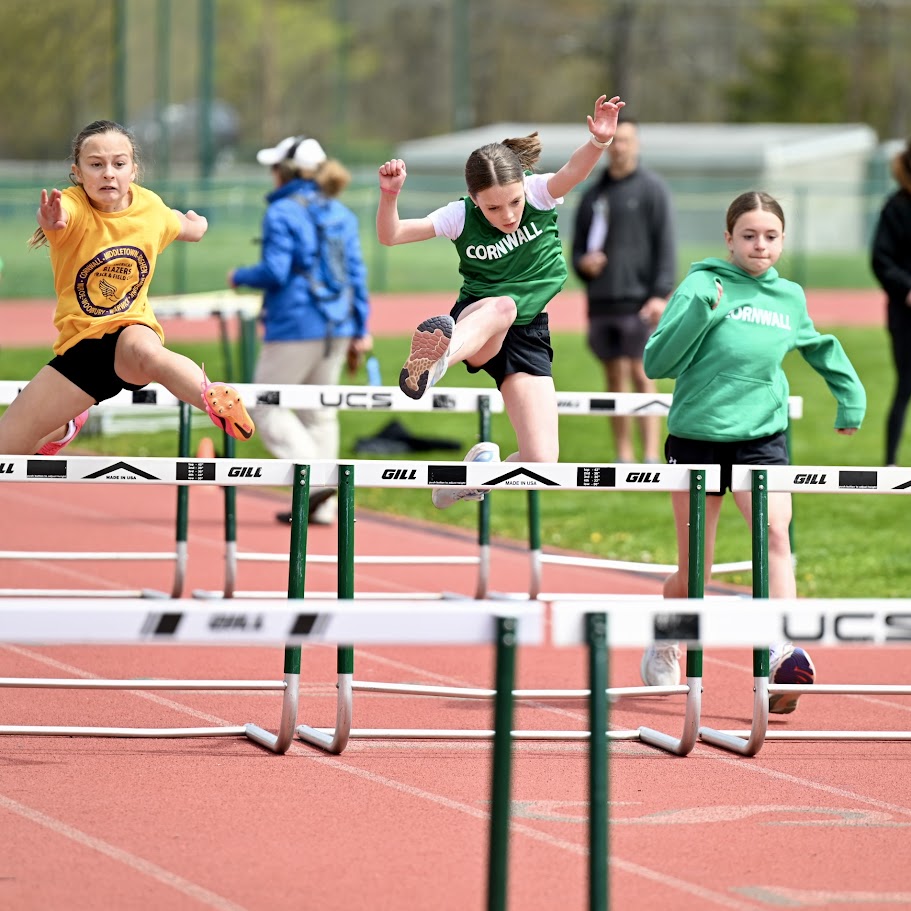
Track Meet

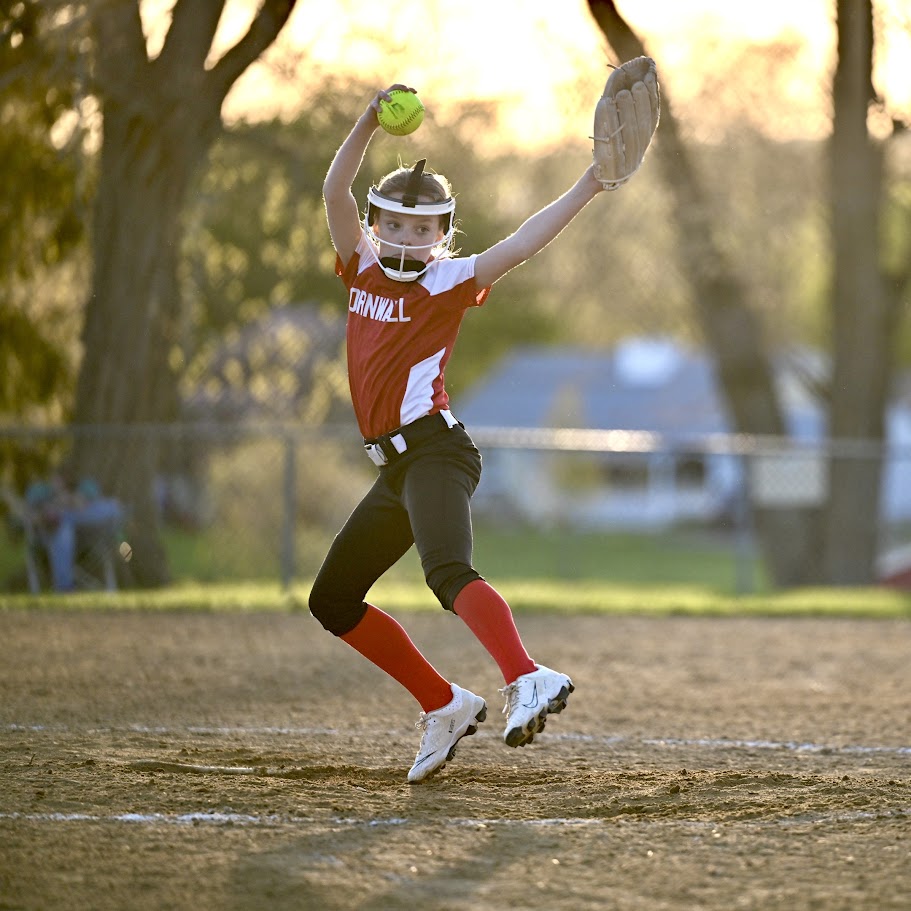
Softball
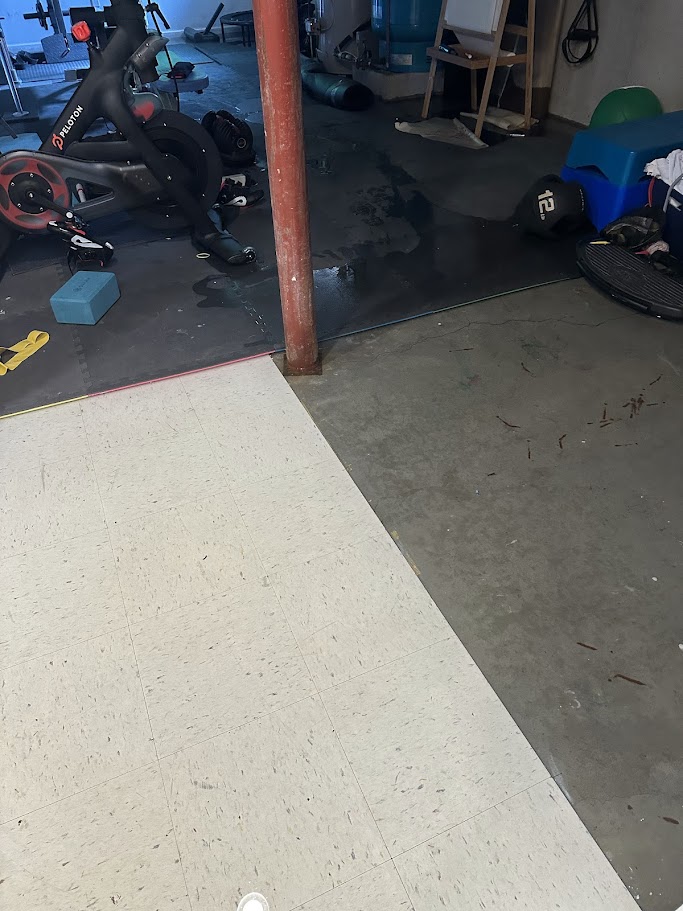
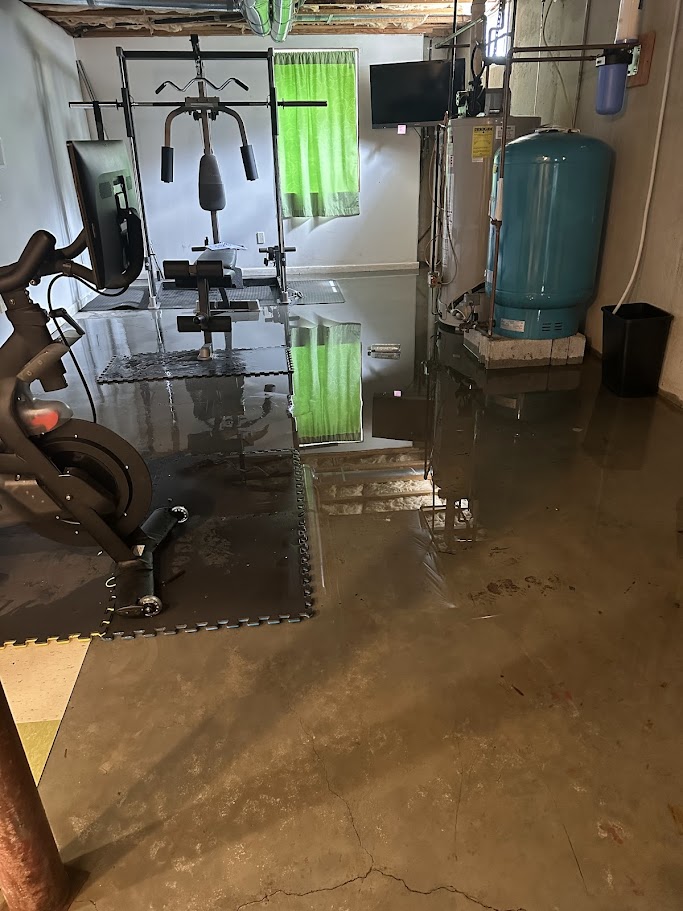
Flooded Basement
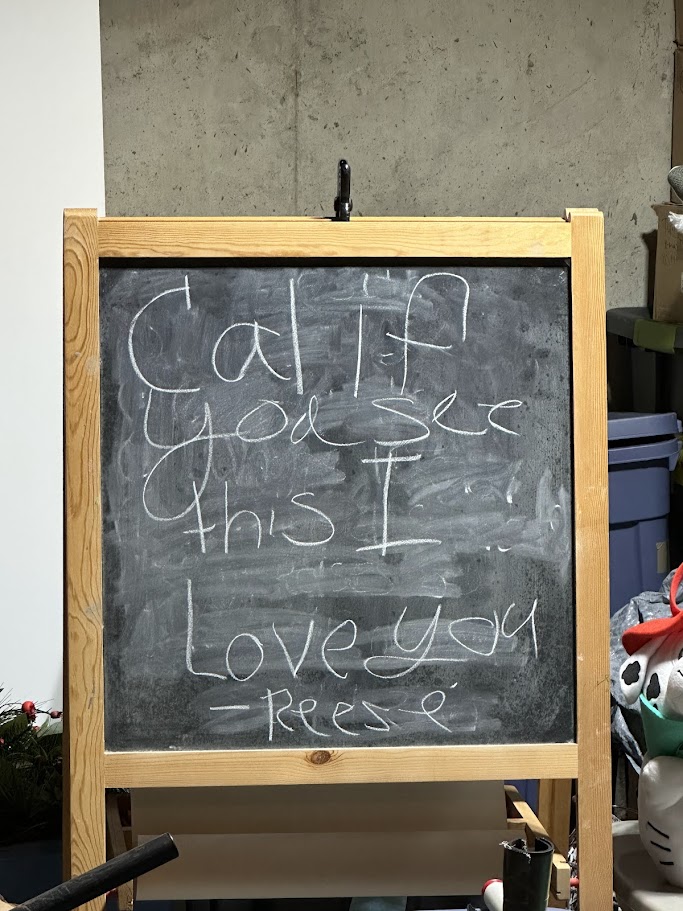
A Note from Reese
DMath Frisbee!! - Semi Finals
Math vs SCPME / BSL
NotePreviously 1-0
2-0; Score 16-0

DMath Frisbee!! – Finals
Math vs SCPME / BSL
NotePreviously 2-0
3-0; Score 16-1
Bonus
How the Peer Review Works
What You Are Looking For
ImportantFive questions to ask of every section
- Are the ideas clearly communicated?
- Can you read the charts? (titles, axes, units, legible)
- Are the tables quality? (clean, labeled, no raw R dumps)
- Do they have all the required sections?
- Are the sections filled in and sound?
Logistics
- 3 printed copies of your draft
- You will exchange with 3 classmates (rotate through 3 review pairs)
- 10 minutes per review
- Reviewer marks the paper directly (margin notes welcome) and walks the rubric below
- You leave with 3 marked-up copies and a written list of revisions
Use the Actual Project Rubric
Score your peer the way the graded rubric scores them. Anywhere they’re losing points now, they should fix before final submission.
NoteTech Report Rubric (125 points)
| Category | Component | Points |
|---|---|---|
| IPR Briefing | Preparedness and content (LSN 37) | 10 |
| Exec Summary & Intro | BLUF, data description, descriptive stats | 10 |
| One-Sample Test | EDA, methodology, results, interpretation | 20 |
| Two-Sample Test | EDA, methodology, results, interpretation | 20 |
| Regression | EDA, methodology, results, diagnostics, interpretation | 30 |
| Discussion & Conclusions | Synthesis, limitations, recommendations | 15 |
| Professionalism | Writing quality, figures, tables, formatting | 20 |
Source: MA206X Project Instructions
For each rubric row, ask the five takeaway questions above:
- Are the ideas clear?
- Can I read the charts?
- Are the tables quality?
- Is the section present?
- Is it filled in and sound?
If any answer is “no,” that’s a comment for your peer.
Before You Leave
Today
- Mark up all three of your peers’ drafts using the rubric above
- Build your own revision list from the three reviews you received
- Confirm your non-cadet guest for the 5 May presentation and BCC me on the invite
Any questions?
Next Lesson
- Two-way ANOVA: blocking and factorial designs
- Interaction effects across factors
- Multiple comparisons (Tukey HSD) in detail
- Devore 10.2
Upcoming Graded Events
- Tech Report (final) – see Canvas
- Project Presentation – 5 May 2026 (Lesson 38), Lesson 39 follow-on
- TEE – 12, 13, 15 May 2026 (per section schedule above)